
Unlocking Generosity Your Guide to Donor Recognition
So, what is donor recognition, really? At its heart, it’s the simple act of acknowledging and appreciating the people who support your cause. But let's be clear—it's not just about sending a polite "thank you" note. It's a thoughtful, strategic approach to building genuine, lasting relationships that encourage generosity for years to come.
Why Donor Recognition Is More Than Just a Thank You

It's time to move past the idea that donor recognition is just another transactional step on your fundraising checklist. Think of it more like tending a garden. Consistent, heartfelt acknowledgment is the sunlight and water that helps your relationships with supporters grow and flourish. This practice is truly the cornerstone of effective donor stewardship.
The real power behind recognition is rooted in basic human psychology. When your supporters feel genuinely valued and see tangible proof of their impact, it creates a powerful feedback loop. That sense of appreciation and connection is what turns a one-time gift into a long-term commitment.
The Foundation of Sustainable Fundraising
Done right, donor recognition has a direct and measurable impact on your organization’s financial health. It's one of the most powerful tools you have for improving donor retention—which, as we all know, is far more cost-effective than constantly chasing new donors.
A well-executed program nurtures a sense of partnership and belonging. It sends a clear message that your donors aren't just checkbooks; they are vital members of your community who share your vision. That emotional investment is what inspires them to give again and, often, to increase their support over time.
Meaningful acknowledgment reinforces a donor's decision to give, validating their choice and making them more likely to become advocates for your cause. It transforms the act of giving from a transaction into a relationship.
A Changing Philanthropic Landscape
In today's world, building strong donor relationships is more critical than ever. The philanthropic landscape in the United States recently hit a historic milestone, with total giving reaching a staggering $592.5 billion. The real story here is that individual donors were the driving force, contributing 66% of that total.
These trends are being supercharged by the Great Wealth Transfer, with younger generations like Millennials and Gen Z stepping up their charitable participation in a big way. By creating a lasting culture of philanthropy, you can connect with this new wave of supporters on their own terms. If you want to dive deeper into these trends, you can discover more insights about these philanthropic trends at Business Initiative.
Building a Recognition Program That Resonates
A great donor recognition program isn't just a happy accident; it's built with purpose. Crafting a strategy that feels both genuine and intentional is the secret to turning one-time gifts into lasting partnerships. Think of it as a blueprint for making sure your appreciation truly lands.
Before you build anything, you need a plan. Just like an architect, you have to consider the core elements: timeliness, personalization, consistency, and structure. Without these, even the most well-meaning gestures can fall flat and miss the mark. A solid foundation ensures every single "thank you" reinforces just how much that donor means to your mission.
Of course, a strong foundation starts with good information. Using reliable donation tracking software is non-negotiable for managing your donor data. It lets you see everything clearly, so you can send out timely, personal acknowledgments that make people feel truly seen.
The Golden Window of Gratitude
Timeliness isn't just about good manners—it’s a critical part of making someone feel valued. Most experts agree there’s a “golden window” for acknowledging a gift, usually within 48-72 hours. A prompt thank you does two things: it confirms their donation arrived safely and it immediately validates their decision to support you.
Waiting weeks to say thanks sends an unintentional message that their gift wasn't a priority. Imagine the excitement you feel after donating to a cause you love, only to be met with silence. That initial warmth fades. A quick, sincere response captures that positive momentum and sets the perfect tone for your entire relationship.
Personalization Beyond the First Name
Real personalization goes so much deeper than just dropping a name into an email template. It’s about showing your donors you see them as individual partners in your work, not just another line in a spreadsheet. It’s all in the details.
Try weaving in some of these personal touches:
Reference Their History: Acknowledge their loyalty. A simple sentence like, "Your consistent support since 2018 has been so vital to our work," shows you’re paying attention.
Connect to Their Passion: If someone always gives to a specific program—say, the animal shelter’s spay-and-neuter fund—mention a recent success from that very program in your thank you note.
Acknowledge the Specifics: Instead of a generic "thanks for your gift," get specific. "Thank you for your generous gift of $100 to our summer literacy program."
These small efforts prove you’re listening. If you want to dive deeper into making your outreach feel authentic, you can find more great ideas on how to thank donors and build real relationships.
Creating Fair and Inspiring Recognition Tiers
Finally, a structured program makes sure every gift is acknowledged in a fitting way, without ever making anyone feel undervalued. Creating recognition tiers isn't about assigning different values to your donors; it's about matching the scale of appreciation to the scale of the gift. It provides clarity for everyone.
A well-designed tiered system should make every donor feel proud of their contribution, regardless of the amount. The goal is to inspire continued giving by showing a clear path of appreciation as their support grows.
Start by defining clear giving levels and what kind of recognition comes with each. For example, a small gift might get a personal email, while a major gift could earn a phone call from a board member and a spot on the donor wall. The key is to be transparent and consistent. This makes your donor recognition strategy fair, motivating, and, most importantly, sustainable for your team.
Exploring Creative Donor Recognition Ideas
How do you make your "thank you" stand out in a world overflowing with noise? The answer lies in building a recognition strategy that feels less like a checklist and more like a thoughtfully curated experience. A multi-layered program that mixes timeless traditions with modern, personal touches is key to making every donor feel genuinely valued.
Think of it like this: some forms of recognition are about creating a lasting legacy, while others are about creating an immediate, personal connection. You need both.
Timeless Methods of Acknowledgment
Let's start with the classics. Traditional recognition methods are popular for a reason—they offer a tangible, public, and permanent sense of honor. They’re the cornerstones of gratitude, physically showing the community the generosity that powers your mission.
These foundational ideas have stood the test of time:
Honor Rolls: A published list of supporters—in your annual report, a newsletter, or on your website—is a simple but powerful gesture. It's a formal nod that says, "You are part of this community."
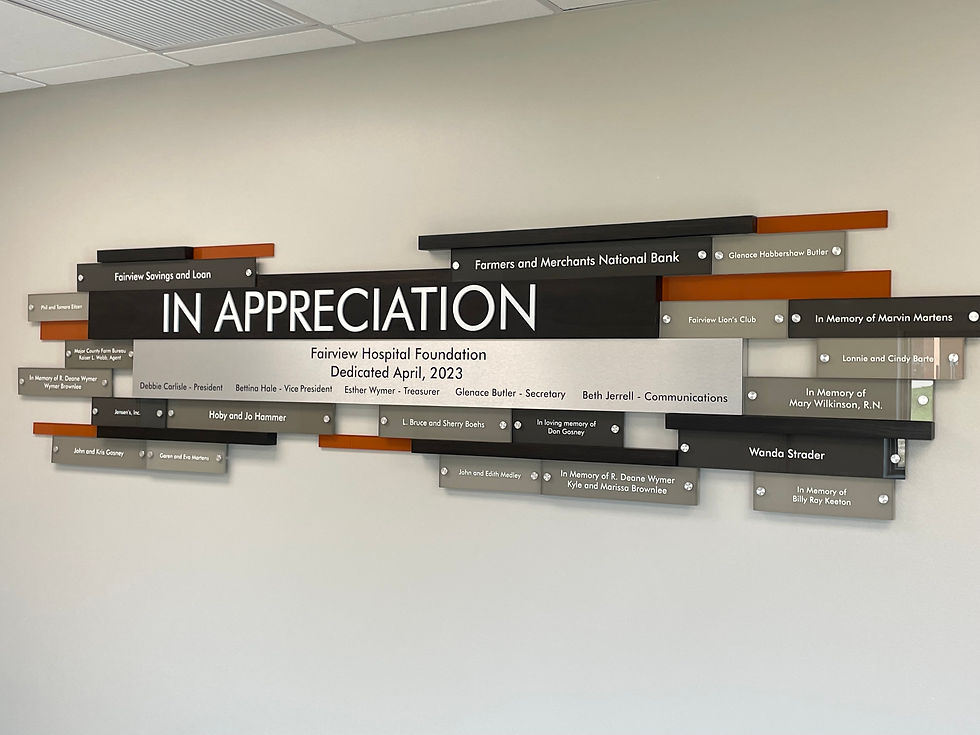
Thoughtfully Designed Donor Walls: The quintessential tribute. A physical donor wall transforms a simple hallway or lobby into a story of collective support, whether through elegant engraved plaques or a stunning art installation. It's a permanent fixture of gratitude.
Annual Report Mentions: Featuring donors in your annual report does more than just list their names; it places their gift right in the middle of your organization's success story for the year, showing exactly how their support fueled your achievements.
These methods are fantastic for honoring significant, long-term support. But they're only one part of the story. To connect with a broader audience and make your appreciation feel immediate and personal, you need to add some modern flair.
Modern Tactics for a Connected Audience
Today’s supporters often crave experiences and authentic connections more than formal praise. Modern recognition tactics meet them where they are, using technology to create genuine moments of appreciation that feel fresh, personal, and shareable.
Take digital recognition, for example. It’s not just a trend; it’s a powerful engagement tool. In healthcare philanthropy, hospitals that swapped static plaques for digital donor walls saw up to a 35% jump in donor engagement. Why? Because dynamic content like video stories and real-time updates creates an experience that people can connect with on a deeper level.
Ready to energize your strategy? Try these ideas:
Personalized Video Thank-Yous: Imagine the impact of a short, sincere video from a staff member or even the CEO. It’s incredibly personal, easily shareable, and shows a level of care that a generic letter just can’t touch.
Engaging Social Media Spotlights: With their blessing, of course, feature a donor on your social media. It celebrates their generosity in a very public way, tells a great story, and inspires your online community to get involved.
Exclusive Access to Content: Give your donors a peek behind the curtain. This could be early access to an impact report, an invitation to a private Q&A with program leaders, or a "making of" video about a project they helped fund.
The most successful donor recognition programs blend the old with the new. They use timeless methods to honor legacy and modern tactics to build active, ongoing relationships.
To help you visualize how these different approaches fit together, here's a quick comparison.
Comparison of Donor Recognition Methods
This table breaks down how traditional and modern methods stack up against each other in a few key areas, helping you decide which tactics are right for different donors and situations.
Recognition Method | Primary Impact | Typical Cost | Scalability | Best For |
|---|---|---|---|---|
Donor Wall (Traditional) | Permanent, public honor; creates a legacy | High | Low | Major gift donors, capital campaign supporters |
Annual Report (Traditional) | Formal, public acknowledgment | Low to Moderate | High | All giving levels, corporate partners |
Video Thank You (Modern) | Personal connection, high emotional impact | Low | Moderate | First-time donors, mid-level givers, event attendees |
Social Media Spotlight (Modern) | Public praise, community building, broad visibility | Low | High | Donors of all levels (with permission), peer-to-peer fundraisers |
Exclusive Content (Modern) | Feeling of being an "insider," deepens engagement | Low to Moderate | High | Recurring donors, mid-level and major supporters |
Ultimately, your goal is to build a flexible and varied program. By offering different ways to say "thank you," you empower donors to be recognized in a way that feels most meaningful to them. This thoughtful approach doesn't just show gratitude—it strengthens relationships and inspires generosity for years to come.
Crafting an Impactful Donor Recognition Wall
A donor recognition wall is easily one of the most visible—and permanent—ways you can show appreciation. It’s so much more than a list of names; it’s a story of generosity literally etched into the fabric of your organization. But let's be honest, creating one that truly inspires can feel like a monumental task.
Don't worry. This guide breaks the whole process down, step-by-step, from that first spark of an idea all the way to the final unveiling. By taking it one piece at a time, you can build a tribute that not only honors your supporters but also gets others excited to give.
Start with Clear Goals and Purpose
Before you even think about designs or materials, you have to answer one fundamental question: What is this wall really for? Your answer will shape every single decision that follows. Is its main job to thank donors from a big capital campaign? Is it about creating a stronger sense of community? Or is it meant to inspire new gifts by showing off your culture of philanthropy?
Nailing down this purpose gives you a clear vision. For instance, a hospital wall might focus on stories of hope and healing, while a university’s display could celebrate a long legacy of academic achievement and innovation.
A donor wall should never be an afterthought. It's a powerful storytelling tool that visually communicates your mission and the community of supporters who make it all possible. Its purpose should be a direct reflection of your organization's core values and fundraising goals.
Once you know why you’re building it, you can get into the practical details that bring that vision to life.
Setting Fair Criteria for Recognition
This is probably one of the most sensitive parts of the whole process: setting the giving levels. To make sure the process feels fair and respectful to everyone, you need to be transparent and consistent. Your criteria should be crystal clear, easy for anyone to understand, and officially documented in your gift acceptance policies.
When you’re creating your recognition tiers, think about these key elements:
Define Clear Giving Thresholds: Decide on the minimum gift amount that gets a donor on the wall. Then, create distinct levels (e.g., Bronze, Silver, Gold) with specific donation ranges for each.
Acknowledge Cumulative Giving: Are you recognizing one-time major gifts, or a donor's total lifetime contributions? Honoring cumulative giving is a fantastic way to celebrate your most loyal, long-term supporters.
Plan for Different Gift Types: Will you include in-kind donations or planned gifts? If so, you need a clear and consistent method for valuing these non-monetary contributions to figure out where they belong.
Getting these rules in place before you start asking for gifts prevents a world of headaches and misunderstandings later on.
Choosing the Perfect Location
Where you put your donor wall is just as important as how it looks. You want it somewhere that guarantees maximum visibility and emotional impact. An out-of-the-way corridor just won't do your donors' generosity justice.
Think about high-traffic areas where people naturally gather:
Main lobbies or entryways
Central hallways that lead to key facilities
Waiting rooms or community lounges
The right spot transforms the wall from a passive display into an active landmark. It becomes a destination that visitors, staff, and potential new donors will see, reinforcing just how central philanthropy is to your organization.
Exploring Design Options and Materials
This is the fun part, where your vision really starts to take shape. The design of your donor wall should feel like a natural extension of your organization's brand, mission, and the spirit of the campaign it represents. The options are endless, from timeless and elegant to modern and interactive.
Traditional vs. Digital Displays
Feature | Traditional Donor Walls | Digital Donor Walls |
|---|---|---|
Aesthetic | Classic, permanent, and stately. Think materials like metal, wood, glass, and stone. | Modern, dynamic, and engaging. It's all about high-resolution screens and interactive software. |
Content | Static names and giving levels, typically engraved or printed onto the surface. | Can show off videos, photos, donor stories, and even real-time campaign updates. |
Updating | Requires physically adding new names, which can be costly and a bit of a hassle. | Super easy to update through a content management system, giving you tons of flexibility. |
Best For | Perfect for honoring legacy gifts from a specific capital campaign or your founding members. | Great for organizations with ongoing fundraising and a desire to tell deeper, more compelling stories. |
Your choice of materials will also have a huge impact on the final look and feel. Polished brass and rich mahogany give off a sense of tradition and prestige, while sleek acrylics and brushed aluminum feel much more contemporary. The key is to pick materials that aren't just beautiful but are also durable and easy to maintain. After all, you want this tribute to stand the test of time. Planning for future additions from the very beginning will ensure your wall remains a dynamic and relevant tribute for years to come.
Common Recognition Mistakes and How to Fix Them
Even with the very best intentions, donor recognition can sometimes fall flat. A small oversight can easily undo all your hard work, turning a moment of gratitude into an experience that feels impersonal or, even worse, disrespectful. By getting ahead of these common pitfalls, you can build a program that feels respectful, effective, and fair to every single supporter.
One of the most damaging mistakes is simply being inconsistent. If your recognition policies feel random—one person gets a personal call for a $100 gift while another gets a generic email for the same amount—it breeds confusion and can leave supporters feeling undervalued. The fix is to establish and document clear recognition tiers. This ensures everyone receives appreciation that is appropriate, fair, and consistently applied across the board.
Another classic error, though it seems so simple, is misspelling a donor's name or getting their title wrong. This immediately signals a lack of care and can quickly sour a relationship.
A misspelled name on a thank you letter or donor wall plaque can feel like a personal slight, instantly eroding the goodwill you've worked so hard to build. It shifts the focus from gratitude to carelessness.
Always double-check—and then triple-check—every name and detail before it goes public. That simple act of diligence shows you truly respect them.
Honoring Preferences and Valuing All Supporters
Every donor's preferences are unique, and ignoring them is a major misstep. This is especially true when it comes to anonymity. When a donor specifically asks to remain anonymous, honoring that wish is non-negotiable. Publicly naming them shatters their trust and can permanently damage your organization's reputation. You absolutely need a clear system for tracking and respecting these requests.
Along the same lines, focusing all your recognition efforts only on major donors is a recipe for alienating the vast majority of your support base. While large gifts certainly deserve significant acknowledgment, the smaller, consistent donors are the lifeblood of most nonprofits.
Solution: Create meaningful recognition opportunities for every giving level.
Example: A social media shout-out or a heartfelt video message can make a small-gift donor feel just as valued as a major contributor.
This inclusive approach reinforces that every gift, no matter the size, makes a real difference. For a deeper look at what can go wrong, check out these top mistakes to avoid when creating a donor wall.
Keeping Your Gestures Genuine
Finally, recognition must always feel authentic, not like a business deal. A gesture that seems like a box-ticking exercise or a quid pro quo for a donation can feel hollow. The goal here is to build a real relationship, not just complete a transaction.
To fix this, infuse genuine warmth and personality into your communications. Share specific stories about how their gift made an impact. A personal, handwritten note will almost always resonate more deeply than an expensive but impersonal gift. By steering clear of these common mistakes, your donor recognition program will be set up to foster lasting loyalty and inspire continued generosity.
The Future of Valuing Your Supporters

The simple act of saying "thank you" is getting a serious upgrade. As we look ahead, the future of donor recognition is moving away from grand, static gestures. Instead, it’s all about creating dynamic, deeply personal experiences. Technology is paving the way for this shift, letting nonprofits offer hyper-personalized acknowledgment at a scale we couldn't have imagined before.
Think about a world where every touchpoint feels unique. With the right data, organizations can ditch the generic thank-you letters. They can reference a donor's specific interests, call back to past contributions, and even note how they engage with your content. It creates a powerful sense that each supporter is seen and valued as a true partner in your mission.
Beyond the Checkbook: Recognizing Holistic Support
Another massive evolution is the growing need to acknowledge contributions that aren't just monetary. The organizations that will thrive in the future are the ones that value their supporters' time and influence just as much as their financial gifts.
This means building out real systems to recognize and celebrate all kinds of support, like:
Volunteer Hours: Tracking and celebrating the time people dedicate to your cause.
Social Advocacy: Giving a shout-out to those who champion your mission online, sharing your posts and spreading the word.
Peer-to-Peer Fundraising: Highlighting the incredible individuals who rally their own networks to support your work.
Recognizing these efforts sends a crystal-clear message: every single form of support is vital. This inclusive approach doesn't just broaden your community—it fosters a much deeper sense of belonging among all your advocates.
The Next Generation of Givers
This is critical: the expectations of younger donors, especially Millennials and Gen Z, are completely reshaping recognition strategies. This demographic craves authenticity and impact over old-school, formal methods. They want to see exactly where their money is going and connect with the real stories behind the work you do.
This shift is happening right alongside changes in global funding patterns. In humanitarian aid, for example, while major government contributions saw a 7.1% dip to $212.1 billion, smaller individual donors are becoming more and more important. This trend hammers home the need to adapt how we say thank you to resonate with a more diverse and engaged base. If you want to dig into this evolving landscape, you can explore a full analysis of these shifts in donor decisions.
To stay relevant, your future strategy has to be built on transparency, consistent reporting on your impact, and fostering genuine connections. By adapting to these trends, you can make sure your donor recognition efforts stay meaningful and effective for years to come.
Your Donor Recognition Questions, Answered
Even the best-laid plans can hit a few snags. When it comes to donor recognition, a few common questions pop up time and time again. Let's tackle some of the trickiest situations you might face.
How Much Should We Budget for Recognition?
There’s no magic number here, but a good rule of thumb is to set aside 1-3% of your total fundraising revenue for donor stewardship and recognition. For smaller organizations, this might be a slice of a larger operational budget. The real key isn't how much you spend, but how thoughtfully you spend it.
Focus on impact, not price tags. A heartfelt, handwritten note or a personal phone call from a board member costs next to nothing but can feel a whole lot more meaningful than a generic, expensive gift. Your budget should always be about fueling genuine connection.
What Is the Best Way to Handle Anonymous Donors?
Respecting a donor's wish for anonymity is paramount. It’s a matter of trust and integrity, plain and simple. When a supporter asks to remain anonymous, you have to honor that request across every single platform—both publicly and within your own team.
Here's how to get it right:
Tag Them in Your Database: The very first step is to flag their profile in your CRM as "Anonymous." This is your safety net against accidental public shout-outs.
Confirm Their Preference: In your private thank-you note, make a point to mention that you'll be honoring their request. It shows you're listening.
Get Your Team on Board: Make sure everyone, especially your marketing and communications folks, understands what "anonymous" means and respects that designation.
How Do We Recognize Non-Monetary Gifts?
Gifts of time, expertise, and in-kind goods are the lifeblood of many nonprofits, and they absolutely deserve thoughtful donor recognition. A good first step is to assign a fair market value to the contribution. This helps you track its impact and figure out where it fits within your existing recognition levels.
After that, it's time to get creative. Why not feature a skilled volunteer in your newsletter and talk about the specific impact their work had? You could give a special thank you on social media to a company that donated services, explaining how their contribution freed up resources for your mission. The goal is to make it clear that you see and value every single form of generosity.
At Stobbe Design, we believe every act of generosity deserves to be celebrated. Our team specializes in creating custom donor recognition walls that tell your organization's unique story and honor the community that makes your work possible. Explore our portfolio and see how we can bring your vision to life.

Comments