
8 Innovative Donor Recognition Wall Ideas for 2025
In the world of philanthropy, a simple list of names etched onto a wall no longer captures the full spirit of giving. Today's donors seek a deeper connection, a tangible sense of their impact, and a recognition experience that feels as meaningful as their contribution. The traditional donor wall is evolving into a powerful storytelling tool- a dynamic centerpiece that not only expresses profound gratitude but also inspires future generosity. From interactive digital displays that share personal stories to living botanical installations that grow with your community, organizations are discovering more creative ways to honor their supporters.
This guide moves beyond conventional approaches to explore innovative donor recognition wall ideas. We will detail eight forward-thinking concepts designed to transform how you celebrate and engage with your benefactors. Each idea is presented with actionable insights, material suggestions, and real-world examples to help you design a tribute that truly resonates with your community and amplifies your mission. Whether you manage fundraising for a hospital, university, or cultural institution, you will find practical strategies to create a recognition piece that is both a beautiful installation and a testament to the collective power of giving. This article provides the blueprint for building a display that truly honors the partnership between your organization and its most dedicated supporters.
1. Digital Interactive Wall Display
A digital interactive wall display moves beyond static plaques and engraved names, offering a dynamic and engaging platform to honor contributors. This modern approach utilizes high-definition screens, touch-sensitive interfaces, or even projection mapping to create a living tribute that can be updated in real time. Instead of just a list of names, you can showcase compelling donor stories, videos about your mission's impact, and high-resolution photos that bring your gratitude to life.

This method is particularly effective for organizations with a large and growing donor base, as it eliminates the physical space constraints and costs associated with adding new names to a traditional wall. It allows for a deeper level of engagement, where visitors can explore content at their own pace.
Why Choose a Digital Wall?
A digital display excels in its ability to tell a story. Organizations like Stanford University and the Mayo Clinic use these systems to connect donations directly to outcomes, featuring interviews with beneficiaries or researchers. This visual storytelling deepens the emotional connection for current and prospective donors, making it one of the most compelling donor recognition wall ideas available. A well-designed digital system can transform a simple acknowledgment into a powerful fundraising tool. For a deeper look into how these displays can amplify your fundraising, you can learn more about how digital donor walls boost fundraising engagement.
Actionable Implementation Tips
Prioritize Durability: Invest in commercial-grade screens designed for public use and long operating hours.
Plan for Support: Ensure you have a plan for 24/7 technical support and a team member responsible for content updates and software maintenance.
Enhance Interactivity: Incorporate QR codes that link to extended donor profiles on your website or interactive maps that visualize the geographic impact of donations.
Secure the System: Implement robust cybersecurity measures to protect donor data and prevent unauthorized access to the display's content management system.
2. Tiered Naming Levels Wall
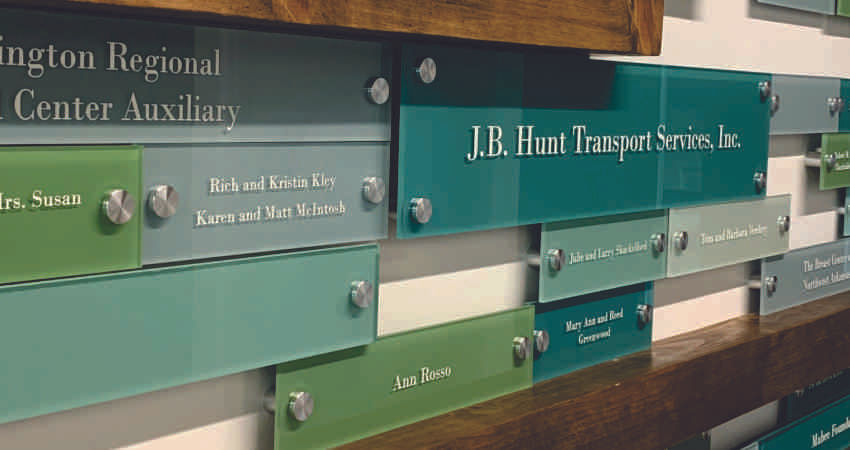
A tiered naming levels wall is a classic and highly effective method that organizes donors into distinct categories based on their contribution amounts. This hierarchical approach, often using labels like Platinum, Gold, Silver, and Bronze, provides a clear visual representation of giving levels, allowing you to honor major contributors with greater prominence while still acknowledging all supporters. The design typically uses different material sizes, finishes, or font dimensions to distinguish one tier from another, creating an elegant and organized display.
This structure serves as a powerful, silent fundraiser. By showcasing the various levels of support, it subtly encourages existing donors to "level up" their contributions to reach the next tier. It clearly communicates the impact of different giving levels and is a scalable solution that can grow with your organization's fundraising success.
Why Choose a Tiered Wall?
A tiered system provides clarity and aspirational motivation. For example, a hospital might name its top tier the "Founder's Circle" and its next tier the "Patron's Society," each with a visually distinct presentation on the wall. This structure not only recognizes generosity but also builds a sense of community and exclusive membership among top donors, making it one of the most strategic donor recognition wall ideas.
Actionable Implementation Tips
Prioritize Placement: Position the highest giving tiers at eye level to give them maximum visibility and prominence, naturally drawing visitors' attention.
Maintain Visual Consistency: Use a consistent design language within each tier, such as uniform font sizes and plaque materials, to create a clean and professional look.
Create Transition Incentives: Develop a strategy to encourage donors to move to the next level, such as offering exclusive benefits or a personal call-out when they cross a new threshold.
Future-Proof Your Design: Design the wall with future growth in mind. Leave adequate physical space within each tier to add new names without requiring a complete overhaul of the display.
3. Artistic Mosaic or Sculptural Wall
An artistic mosaic or sculptural wall transforms donor recognition into a bespoke work of public art. This approach moves beyond simple lists, representing each donor as an integral piece of a larger artistic composition. Individual tiles, custom-engraved metal leaves, hand-blown glass elements, or unique sculptural components combine to create a cohesive masterpiece that symbolizes community, unity, and collective impact.
This method is ideal for organizations that want to tell a powerful visual story about their mission. The final artwork becomes a landmark, a destination, and a conversation piece, celebrating philanthropy through creativity and reflecting the unique character of the institution.
Why Choose an Artistic Wall?
An artistic installation excels at creating an emotional and lasting impression. The artwork itself becomes a tangible representation of the community's investment, making it one of the most memorable donor recognition wall ideas. Often taking the form of a tree or other natural element, these installations connect the idea of growth with donor support. For specific guidance on this popular motif, you can discover more about designing a donor wall tree that inspires giving.
Actionable Implementation Tips
Commission an Artist: Collaborate with an established public artist or design firm whose style aligns with your organization's brand and mission.
Design for Growth: Create a modular design that allows for the seamless addition of new donor elements in the future without disrupting the overall aesthetic.
Select Durable Materials: Choose materials like bronze, stainless steel, stone, or high-quality art glass that are appropriate for the installation's location (indoor vs. outdoor) and will withstand the test of time.
Document the Story: Create accompanying materials, such as a small plaque or digital kiosk, that explain the artistic concept and the story behind the design, enhancing its meaning for visitors.
4. Living Wall or Green Recognition Wall
A living wall, or green recognition wall, is an environmentally-conscious approach that integrates botanical elements directly into your donor recognition display. This biophilic design brings nature indoors, combining lush greenery with elegantly placed donor names on plaques or integrated signage. It creates a vibrant, breathing installation that symbolizes growth, life, and the nurturing impact of donor contributions.
This method moves beyond traditional materials to create a multisensory experience. The visual appeal of the plants, combined with their natural air-purifying qualities, enhances the atmosphere of any space. It’s an ideal choice for healthcare facilities, environmental nonprofits, or any organization wanting to project a message of sustainability and well-being.
Why Choose a Living Wall?
A green wall powerfully communicates a commitment to health, growth, and the environment. Hospitals and wellness centers often use this approach to create a calming, restorative ambiance for patients and visitors. Organizations like the Phipps Conservatory and Botanical Gardens use green design to reinforce their mission, showing donors their contributions are helping cultivate a healthier world. This unique and beautiful form of acknowledgment makes it one of the most memorable donor recognition wall ideas, leaving a lasting impression of vitality.
Actionable Implementation Tips
Plan for Proper Care: Install professional irrigation and drainage systems to ensure the plants thrive. Partner with a horticultural service for ongoing maintenance.
Select Appropriate Plants: Choose hardy, low-maintenance plants suited to your building's specific light and climate conditions. For a maintenance-free option, consider high-quality preserved moss or artificial plants.
Coordinate with Experts: Engage a landscape architect or biophilic design specialist early in the process to ensure the wall is structurally sound and aesthetically pleasing.
Integrate Lighting: Position the wall near a natural light source if possible. If not, install specialized grow lights that support plant health while also highlighting the donor names.
5. Chronological Timeline Wall
A chronological timeline wall arranges donor recognition by date or campaign period, creating a powerful narrative of your organization's history and growth. This approach transforms a simple list of names into a story, showcasing how community support has built momentum over the years. By displaying contributors in temporal order, you visually demonstrate the journey from foundational gifts to modern fundraising triumphs.
This method is ideal for institutions with a long history or those celebrating a major anniversary. It connects current donors to a legacy of giving, making them feel like part of a continuing story. The visual progression can be a compelling tool for illustrating long-term impact and sustained philanthropic commitment.

Why Choose a Timeline Wall?
A timeline wall excels at grounding your mission in history. Organizations like the University of Chicago effectively use campaign-based timelines to honor donors who contributed to specific growth periods, while institutions like Boston Children's Hospital document their evolution through a historical donor wall. This approach shows prospective donors that their contribution will become a permanent part of the organization’s legacy. This narrative-driven format is one of the most meaningful donor recognition wall ideas because it highlights a collective journey. To explore this concept further, you can discover how to build a donor wall that tells a story.
Actionable Implementation Tips
Mark Major Milestones: Visually punctuate the timeline with key dates, such as the year of founding, campaign launches, or the achievement of major funding goals.
Incorporate Archival Elements: Include historical photographs, documents, or quotes from different eras to enrich the narrative and provide context.
Highlight Transformational Gifts: Use different materials, sizes, or colors to distinguish pivotal, large-scale donations that marked a turning point for your organization.
Design for Expansion: Plan the layout with future campaigns in mind, leaving space to add new donor groups without disrupting the existing historical flow.
6. Impact-Based Categorization Wall
An impact-based categorization wall shifts the focus from the monetary value of a gift to the tangible difference it makes. Instead of organizing donors by giving levels, this approach groups them according to the specific initiatives, programs, or projects their contributions supported. This powerful method directly links a donor’s name to a specific outcome, whether it's a scholarship fund, a research breakthrough, or a new community program.
This design philosophy moves beyond simple gratitude to become a testament to collective achievement. It visually demonstrates how different funding streams come together to fulfill a mission, creating a narrative of shared purpose. For donors, seeing their name alongside a specific program they are passionate about provides a deep sense of ownership and personal connection to the cause.
Why Choose an Impact-Based Wall?
This method excels at telling a story of progress and purpose. Medical research facilities use this model to credit donors for specific breakthroughs, while universities often create displays that list supporters of individual scholarship endowments. By highlighting the what and why of a donation, you reinforce the value of every contribution, regardless of its size. This is one of the most effective donor recognition wall ideas for cultivating a purpose-driven community, as it shows current and future supporters exactly what their generosity can accomplish. It transforms acknowledgment into a powerful statement about your organization's mission in action.
Actionable Implementation Tips
Use Visual Cues: Incorporate distinct icons, colors, or materials to visually separate and identify different program categories, making the wall easy to navigate.
Showcase Outcomes: Alongside donor names, feature compelling statistics, brief success stories, or quotes from program beneficiaries to quantify the impact.
Explain the Purpose: Include a small, well-designed plaque or inscription for each category that clearly explains the program’s goals and significance.
Create a Digital Companion: Add a QR code that directs visitors to a webpage with detailed program updates, beneficiary testimonials, and timelines of progress.
7. Modular or Expandable Recognition System
A modular or expandable recognition system is a strategic and future-proof design that allows your donor wall to grow alongside your fundraising efforts. This approach avoids the common problem of running out of space or requiring a complete and costly redesign. It uses interchangeable components like magnetic tiles, removable plaques, or an expandable grid system, making it simple to add new donors or update giving levels over time.
This method is ideal for ongoing capital campaigns, annual giving programs, and growing nonprofits. The design inherently communicates momentum and progress, as visitors can see the wall expand, visually representing the community's growing support for your mission.
Why Choose a Modular System?
A modular system excels in its practicality and long-term cost-effectiveness. Organizations like universities adding new class-year donors or hospitals recognizing ongoing contributions benefit immensely from this flexibility. The Children’s Hospital of Philadelphia has effectively used modular designs that allow them to seamlessly integrate new supporters into beautifully established displays. This thoughtful approach ensures that every donor, whether from year one or year ten, feels equally valued and integrated into the organization's history. It’s one of the most sustainable donor recognition wall ideas for organizations planning for the future.
Actionable Implementation Tips
Establish Clear Design Standards: Before the first component is installed, create a comprehensive style guide that dictates fonts, colors, materials, and plaque sizes to ensure consistency for years to come.
Plan for Expansion: Design the initial layout with at least 20-30% of the space intentionally left open or designated for future growth.
Document Everything: Keep a detailed record of your naming protocols, spacing requirements, and material suppliers to make future additions seamless.
Schedule Regular Maintenance: Plan for periodic checks to ensure all components are secure and aligned, and to clean the display, keeping it looking pristine.
8. Immersive Experience or Virtual Reality Wall
An immersive or virtual reality (VR) donor recognition wall merges the physical with the digital, creating a deeply engaging and memorable experience. This forward-thinking approach uses technologies like augmented reality (AR) or dedicated VR stations to transport donors into the world they helped create. A physical plaque or symbol on the wall can act as a trigger, which, when scanned with a mobile device, launches an interactive story, 360-degree video, or immersive environment.
This method transcends traditional acknowledgment by allowing donors to feel their impact rather than just read about it. It’s a powerful tool for organizations looking to stand out, especially those with a tech-savvy audience or a mission that is best understood through direct experience. It transforms a simple thank you into a shareable, high-impact event.
Why Choose an Immersive Wall?
This innovative concept is ideal for demonstrating impact in a tangible way. For example, a university might use VR to let donors tour a new research facility they funded, while a conservation nonprofit could use AR to bring an endangered animal to life right in the room. Major museums and tech-forward nonprofits are leveraging these experiences to create a powerful emotional resonance that inspires continued giving. When considering a fully immersive experience, understanding the principles of virtual reality interior design can be incredibly valuable for crafting a space that feels both inviting and technologically advanced. This approach makes your donor recognition wall a destination, not just a display.
Actionable Implementation Tips
Prioritize Accessibility: Ensure the AR or VR experience is intuitive, loads quickly, and works reliably across various devices. Provide clear on-site instructions.
Offer Analog Options: Always include a beautifully designed physical component so that donors who are less tech-savvy or without a device still feel recognized and appreciated.
Create Shareable Content: Design the digital experience to be visually stunning and emotionally compelling, encouraging donors to capture and share it on social media.
Monitor Engagement: Use analytics to track how users interact with the immersive elements, gathering data to refine the experience and understand what resonates most with your audience.
8-Option Donor Recognition Wall Comparison
Item | Implementation complexity | Resource requirements | Expected outcomes | Ideal use cases | Key advantages |
|---|---|---|---|---|---|
Digital Interactive Wall Display | High — complex hardware/software integration | High — screens, servers, connectivity, technical staff | Dynamic engagement, multimedia storytelling, real-time updates | Large institutions, high-traffic lobbies, live donor updates | Highly engaging, easily updated, multimedia-capable |
Tiered Naming Levels Wall | Low–Medium — design and fabrication planning | Medium — fabrication, plaques, installation | Clear recognition hierarchy that incentivizes larger gifts | Campaigns with tiered giving, hospitals, universities | Understandable structure, motivates upgrade giving |
Artistic Mosaic or Sculptural Wall | Very high — custom art direction and fabrication | Very high — artists, specialized materials, installation time | Unique, memorable legacy piece with strong emotional impact | Major capital campaigns, public art projects, plazas | Distinctive aesthetics, lasting legacy, community symbolism |
Living Wall or Green Recognition Wall | Medium–High — landscape integration and irrigation | High — plants, irrigation, maintenance resources | Biophilic appeal, sustainability messaging, improved ambience | Organizations emphasizing sustainability, wellness spaces | Environmental statement, aesthetic and wellness benefits |
Chronological Timeline Wall | Medium — narrative design and space planning | Medium — materials, historical research and curation | Compelling storytelling that shows institutional growth | Long-established institutions, anniversary campaigns, museums | Puts gifts in historical context, highlights milestones |
Impact-Based Categorization Wall | Medium–High — data tracking and content design | Medium — program documentation, ongoing updates | Emphasizes donor impact and program outcomes | Program-focused fundraising, scholarships, research centers | Highlights outcomes over amount, values diverse donors |
Modular or Expandable Recognition System | Low–Medium — standardized modular planning | Low–Medium — modular panels/tiles, mounting systems | Flexible growth, straightforward updates and maintenance | Growing nonprofits, annual giving walls, corporate offices | Scalable, cost-effective, easy to expand |
Immersive Experience or Virtual Reality Wall | Very high — AR/VR development and UX design | Very high — hardware, development teams, maintenance | Highly memorable, immersive storytelling and analytics | Tech-forward museums, donor engagement events, universities | Innovative, shareable, deeply engaging experiences |
Bringing Your Vision to Life: The Next Steps in Donor Recognition
Choosing the perfect donor recognition wall is a defining moment for any organization. It's a strategic act of storytelling, a tangible representation of your gratitude, and a powerful tool for inspiring future philanthropy. As we've explored, the possibilities extend far beyond a simple plaque. From dynamic digital displays that share ongoing impact stories to living green walls that symbolize growth, the best donor recognition wall ideas are those that authentically reflect your organization's unique mission and values.
The journey from concept to installation is one of thoughtful consideration. Whether you are captivated by the historical narrative of a Chronological Timeline Wall or the future-focused flexibility of a Modular Recognition System, the core principle remains the same: your wall must create a meaningful connection. It should make your supporters feel seen, valued, and integral to your success.
Key Takeaways for Your Project
To ensure your project succeeds, keep these central themes in mind:
Alignment is Everything: Your chosen design must align with your organization’s brand identity, physical space, and overall fundraising strategy. An artistic, sculptural wall might be perfect for a museum, while a high-tech interactive display could be ideal for a cutting-edge research hospital.
Future-Proof Your Design: Philanthropy is not static, and your recognition system shouldn't be either. Prioritize designs like modular or digital walls that can easily accommodate new donors, preventing costly and cumbersome updates down the road.
Focus on Impact: The most compelling recognition walls do more than list names. They tell the story of what those contributions achieved. Weaving in narratives, photos, and testimonials transforms a static list into a dynamic testament to collective impact.
Planning Your Next Steps
With these ideas as your inspiration, the path forward becomes clearer. The next phase involves translating your vision into a concrete plan. This is where meticulous planning, creative brainstorming, and technical expertise converge to create something truly exceptional. For cutting-edge design and visualization, exploring the best AI for interior design tools offers advanced capabilities to bring your unique donor recognition wall concepts to life.
Ultimately, a thoughtfully executed donor recognition wall becomes more than just an architectural feature. It evolves into a cherished landmark, a point of pride for your community, and a lasting symbol of the partnership between your organization and the generous individuals who champion its mission. This investment in gratitude will pay dividends for years to come, fostering a culture of giving that ensures your legacy continues to grow.
Ready to transform your vision into a stunning reality? The experts at Stobbe Design specialize in creating bespoke donor recognition walls that honor your supporters and inspire your community. Contact Stobbe Design today to begin the collaborative process of designing a lasting tribute to generosity.


Comments